
Using First-Person Shooters to Improve Athlete Reflexes
Modern sports science increasingly looks toward digital simulations to enhance the physical performance of traditional athletes. First-person shooters (FPS) offer a unique environment for cognitive training. These games require high-speed visual processing and near-instantaneous motor responses. By engaging with these digital challenges, athletes can sharpen their peripheral vision and reduce their reaction times. This cross-training method is becoming a standard tool for goalkeepers, racing drivers, and combat sports professionals looking for a competitive edge in performance optimization.
Cognitive Benefits of High-Speed Digital Training
Traditional athletic training often focuses on muscle memory and cardiovascular endurance. However, the cognitive speed of an athlete is just as critical. FPS games serve as a high-intensity laboratory for the brain, pushing the limits of neuromuscular response and mental agility.
Visual Processing and Spatial Awareness
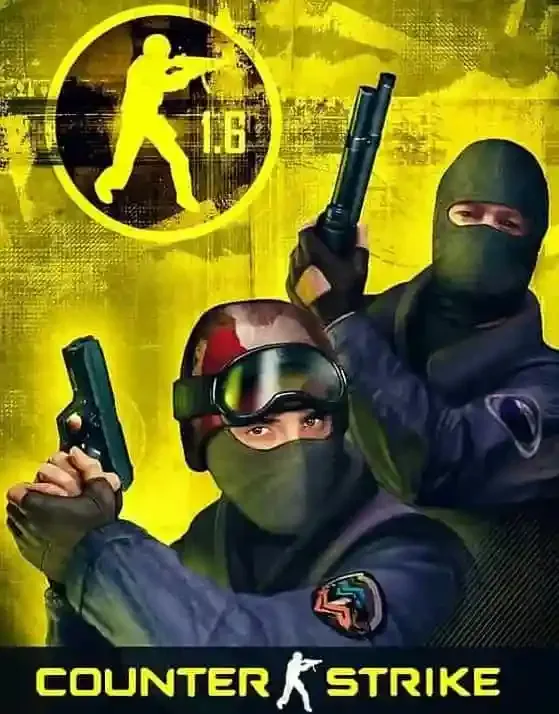
Athletes must track multiple moving objects simultaneously. In a basketball game, a point guard monitors teammates, defenders, and the ball. A high-intensity Counter-Strike 1.6 game requires the same level of spatial awareness. Players must scan corners, track enemy movements, and monitor the radar all at once. This constant visual scanning trains the brain to filter out irrelevant information and focus on high-priority targets.
Studies show that regular FPS players have a higher “useful field of view.” This means they can process information from their peripheral vision more effectively than non-gamers. For a soccer player, this translates to better awareness of an oncoming tackle while keeping eyes on the ball. The digital environment forces the eyes to move rapidly, strengthening the ocular muscles and improving overall tracking speed. This improvement in visual fidelity is essential for sports that require rapid scanning of the field.
Reducing Decision-Making Latency
Reaction time is the gap between a stimulus and a physical response. In sports, this gap can be the difference between a save and a goal. Engaging with a CS 1.6 download provides thousands of micro-stimuli every minute. The brain is forced to make split-second decisions: whether to shoot, hide, or rotate. This constant decision-making cycle builds neural pathways that favor speed and accuracy, effectively reducing cognitive load during high-pressure moments.
The GoldSource engine used in CS 1.6 is particularly effective for this because of its mechanical simplicity. There are no distracting “hero abilities” to complicate the feedback loop. It is a pure test of reaction and precision. When an athlete practices in this environment, they are essentially performing high-frequency cognitive repetitions. This “over-training” of the brain makes the slower pace of traditional sports feel more manageable and enhances the speed of the neuromuscular system.
Hand-Eye Coordination and Fine Motor Skills
The connection between the eye and the hand is the most vital link in many sports. FPS games require micro-adjustments of the mouse that must be executed with pixel-perfect precision. This level of fine motor control is directly transferable to sports like tennis or baseball. The ability to move a hand precisely in response to a visual cue is a skill that can be refined through digital play. Consistent training in a digital space improves the “proprioception” of the athlete, making their physical movements more deliberate and controlled.
Technical Application in Professional Sports
Professional teams are now integrating gaming stations into their training facilities. This is not for leisure but for targeted cognitive development and tactical analysis.
Goalkeeper Training and Anticipation
Goalkeepers in hockey and soccer rely on anticipation. They must predict the trajectory of a ball based on the shooter’s body language. In an FPS, a player must predict where an opponent will appear based on sound cues and map flow. This predictive modeling is identical in both fields. By playing shooters, goalkeepers can improve their ability to “read” a situation before it happens, enhancing their situational awareness.
The “flick” shot in a shooter is perhaps the best digital representation of a goalkeeper’s save. It is a reactive, explosive movement directed at a moving target. Training the nervous system to handle these explosive bursts of activity helps athletes maintain a high state of readiness. It prevents the “mental fatigue” that often leads to slow reactions late in a physical match. This type of neuro-athletic training is becoming a staple in professional leagues worldwide.
Racing Drivers and High-Speed Processing
Formula 1 and NASCAR drivers operate at speeds where a millisecond matters. They use simulators for track knowledge, but they use shooters for reflex maintenance and stress management. The high-speed nature of an FPS mimics the sensory overload of a race car cockpit. It trains the driver to stay calm under pressure and make accurate inputs while their heart rate is elevated.
The low latency of older engines like CS 1.6 is highly valued here. Drivers need a 1-to-1 relationship between their input and the screen action. Any delay in the software would ruin the training effect. This is why many professionals prefer “classic” shooters over modern, more bloated games. They need the most responsive feedback loop possible to match the real-world physics of their cars and maintain their cognitive load capacity.
Combat Sports and Peripheral Focus
Boxers and MMA fighters must stay focused on their opponent’s chest to see movements in the limbs. This is similar to “center-screen” focus in an FPS. A player keeps their crosshair ready while using their peripheral vision to detect movement at the edges of the monitor. This training helps fighters stay focused on the center of mass while still being aware of high kicks or wide hooks coming from the side. It improves the athlete’s ability to maintain a wide visual field while under direct threat.
Designing a Digital Reflex Program
To use FPS games as an athletic tool, the approach must be structured. It is not about playing for hours, but about “deliberate practice” and specific drills designed for reflex improvement.
Short, High-Intensity Sessions
Reflex training should be done in short bursts to prevent mental burnout and maintain peak intensity. 20 to 30 minutes of intense “deathmatch” play is more effective than three hours of casual matches. The goal is to keep the nervous system at its peak. During these sessions, the athlete should focus on specific goals, such as “only headshots” or “perfect movement,” to ensure the brain is fully engaged and the cognitive demand remains high.
Consistency and Hardware Setup
For the training to be effective, the hardware must be consistent. This means using a high-refresh-rate monitor and a reliable mouse with a high-quality sensor. The settings, especially mouse sensitivity and DPI, must remain the same so that the brain can build accurate spatial maps. If the sensitivity changes, the training effect is lost. This is another reason why CS 1.6 is favored; its settings are simple, reliable, and do not change with updates, ensuring consistent training conditions.
Measuring Progress and Feedback
Athletes should track their “Time to Kill” (TTK), “Accuracy Percentage,” and “Reaction Time” (RT) in milliseconds. These metrics provide tangible proof of cognitive improvement and neural plasticity. Over weeks of training, an athlete will notice that their ability to react to visual stimuli in their physical sport becomes more “automatic.” The brain no longer has to “think” about the movement; it simply executes it through conditioned reflexes. This is the ultimate goal of combining digital and physical training for elite performance.
Mental Endurance and Focus
Beyond physical reflexes, FPS games train mental endurance. Maintaining high concentration over multiple rounds is similar to the focus required in the final minutes of a championship game. By subjecting the mind to constant stimuli, athletes build “mental stamina.” This prevents the lapse in judgment that occurs when a player is physically exhausted but must still make perfect tactical decisions. The psychological resilience built in the digital arena is a powerful asset on the physical field.
