
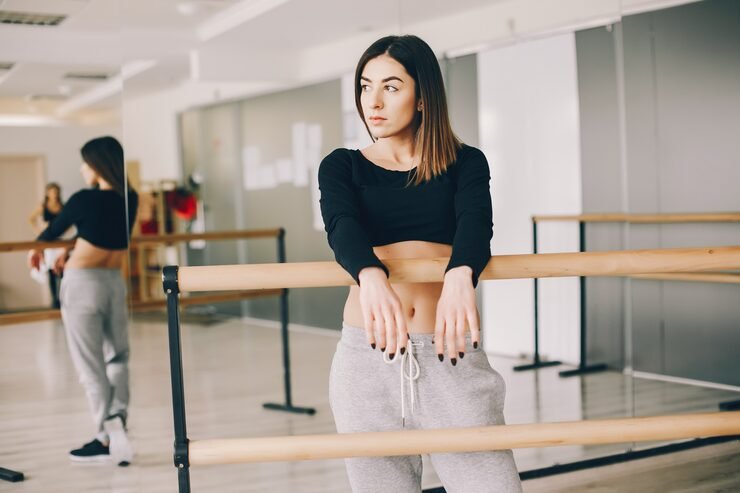
Dance training is a unique combination of athletic performance, coordination, flexibility, and artistic expression. Whether practiced in studios, gyms, or open training spaces, dance places high physical demands on the body. For this reason, choosing the right clothing is not a matter of style alone. Comfortable dance training clothes are a fundamental part of effective, safe, and enjoyable practice.
Unlike casual apparel, training clothes for dance must support a wide range of movements, from deep stretches and floor work to jumps, turns, and dynamic transitions. Poorly chosen outfits can restrict movement, cause discomfort, or distract dancers from proper technique and musicality.
The Importance of Comfort in Dance Training
Comfort directly affects how dancers move and how long they can maintain focus during practice. Clothing that fits well and feels natural on the body allows dancers to concentrate fully on posture, balance, rhythm, and control.
Comfortable dance training clothes provide:
- Freedom of movement without restriction
- Soft contact with the skin, reducing irritation
- Stable fit that stays in place during motion
- Confidence during both individual and group sessions
When dancers feel physically comfortable, their movements become more fluid, controlled, and expressive.
Flexibility and Elasticity as Key Features
Dance training requires clothing that moves with the body in all directions. Elasticity is essential for executing movements such as lunges, extensions, balances, and rotational sequences.
High-quality training fabrics stretch naturally and return to their original shape after use. This elasticity allows dancers to work through full ranges of motion without feeling resistance from their clothing. It also helps maintain a clean silhouette, which is important for both self-correction and instructor feedback.
Breathability and Temperature Control
Dance sessions often involve sustained physical effort. Breathable materials help regulate body temperature and manage moisture, preventing overheating and discomfort.
Well-designed dance training clothes:
- Allow airflow during intense practice
- Wick moisture away from the skin
- Dry quickly between sessions
- Support long rehearsals and workshops
This balance of breathability and coverage is essential for maintaining energy and focus throughout training.
Safety and Movement Awareness
Appropriate dance training clothes contribute to safety by reducing unnecessary distractions. Clothing that stays securely in place helps dancers remain aware of body alignment and movement pathways.
In disciplines that involve floor work, lifts, or fast directional changes, reliable clothing minimizes the risk of slipping, catching, or adjusting garments mid-movement. This allows dancers to focus on technique rather than managing their outfit.
Confidence and Mental Focus
What dancers wear can influence how they feel during training. Comfortable and well-fitted clothing supports confidence, which is especially important in environments where learning, correction, and repetition are constant.
When dancers trust their clothing, they are more willing to push physical boundaries, explore new movements, and stay mentally engaged. This confidence plays a crucial role in long-term progress and consistency.
Choosing the Right Dance Training Clothes
When selecting comfortable dance training clothes, several factors should be considered:
- Elastic fabrics that stretch in multiple directions
- Durable materials that retain shape over time
- Proper fit without excessive compression
- Minimal seams to reduce friction
Modern active wear collections designed specifically for training combine these elements to support dancers at different levels and across various styles.
An example of such thoughtfully designed training apparel can be found in specialized active wear collections focused on comfort, flexibility, and performance, such as this: comfortable dance training clothes
Conclusion
Comfortable dance training clothes are not just an accessory — they are an essential tool for performance, safety, and confidence. By choosing clothing that supports natural movement, breathability, and stability, dancers can train more effectively and enjoy the process of growth.
Investing in the right training wear helps create a positive training experience, encourages consistency, and allows dancers to focus on what truly matters: movement, expression, and progress.