
The constantly changing environment of social media and content marketing requires knowing what causes visible interaction in each niche. A/B testing could be termed the best tool to find out what can connect with his clientele. The type of A/B testing he will do on engagement post-format itself would boost any brand or influencer, or content creator’s strategy.
What Is an A/B Test?
Split testing or A/B testing is a comparative way of testing two versions of content to determine which version works better. You prepare two versions of the same content, such as version A and version B, and disseminate them among different groups of people. It is aimed at understanding which version will trigger more traffic: likes, comments, shares, clicks, or time on page.
Why Post Format Matters
Post format includes elements like:
- Image vs. video
- Short captions vs. long-form storytelling
- Carousel posts vs. single-image posts
- Infographics vs. text-only posts
Various formats work in different niches differently. As an example, video tutorials can be more effective than carousels or infographics on a page promoting a financial service, whereas a fitness brand might need more video tutorials. In order to achieve visible engagement for every niche you require data to support your assumptions, and that is where the A/B testing comes in.
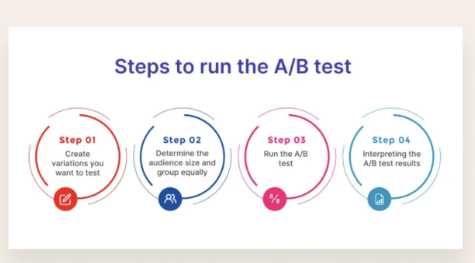
Step-by-Step Guide: How to Run an A/B Test on Post Formats
Choose One Variable to Test
To get accurate results, test one element at a time. For example, keep the caption and hashtags the same, but try posting:
- Version A: A high-quality image
- Version B: A short-form video
This isolates the variable (format) and makes it easier to see which format drives more visible engagement.
Define Your Engagement Metrics
Decide what you would like to measure. Are you trying to measure:
- More likes?
- More comments?
- Higher reach?
- Longer watch time?
Get a clear definition of what you mean by engagement based on your objectives so that you can see the success clearly.
Segment Your Audience
To avoid skewed results, ensure that both versions are shown to similar audience segments. You can do this by:
- Posting at the same time on different days
- Using paid A/B testing tools (like Facebook Ads A/B testing)
- Testing on different but demographically similar pages
This helps you get unbiased, reliable results across content types.
Run the Test Over a Reasonable Timeframe
Judging in a few hours is not jumping to conclusions. Conduct the test until you have substantial data- typically, it takes a day or two to collect enough data in social media and perhaps a week or even longer to collect data in a blog.
Analyze the Results
Use platform insights to measure engagement:
- Instagram/Facebook Insights
- YouTube Analytics
- Google Analytics for blog posts
- Such third-party tools as Hootsuite or Sprout Social.
Decide which version was more visibly engaged using your metric of choice.
Tips for A/B Testing Success
- Stability is important: Testing through time is the most important to determine long-term trends.
- Test often: Audiences and algorithms evolve. What was successful a month ago may not be successful today.
- Smart use of visuals: Visuals with good quality nearly always make more visible action, particularly in niches that are visual-first, such as in the fashion, travel, and fitness industries.
- You must always consider: the context in which a funny meme would be fitting; it wouldn’t be appropriate for legal-type or finance-type content.
Final Thoughts
The way to get visible interaction in each niche is not by guessing, but by experiment. By doing frequent A/B tests on your post formats, you will be able to get actionable information on what your audience would actually like. In the long run, this will result in a more regular engagement, a high brand loyalty, and improved content ROI.
Note to Self: not all posts will fit in the same format. The trick is to test, gauge, and make changes. A/B testing will enable you to discover the most captivating content formats to use with your audience, whether it is tech, fashion, fitness, or finance.